Describe the problem
Location, service need, urgency and a clear description let the request be qualified properly.
Toronto homeowner guide
Practical guidance for urgent leaks, blocked drains and sewer backups. When this pilot launches, requests will be matched with verified local providers who confirm they can actually take the job.
 Built around the service question, not a generic city-page template.
A visitor looking for a blocked kitchen drain needs different help from someone dealing with wastewater in a basement. The site should make that distinction obvious from the first click.
Water leak, overflowing fixture, urgent next steps and what to tell the responder.
> 02Slow drains, repeat clogs and signs the issue may be beyond one fixture.
> 03What to do when wastewater backs up and what to document before service.
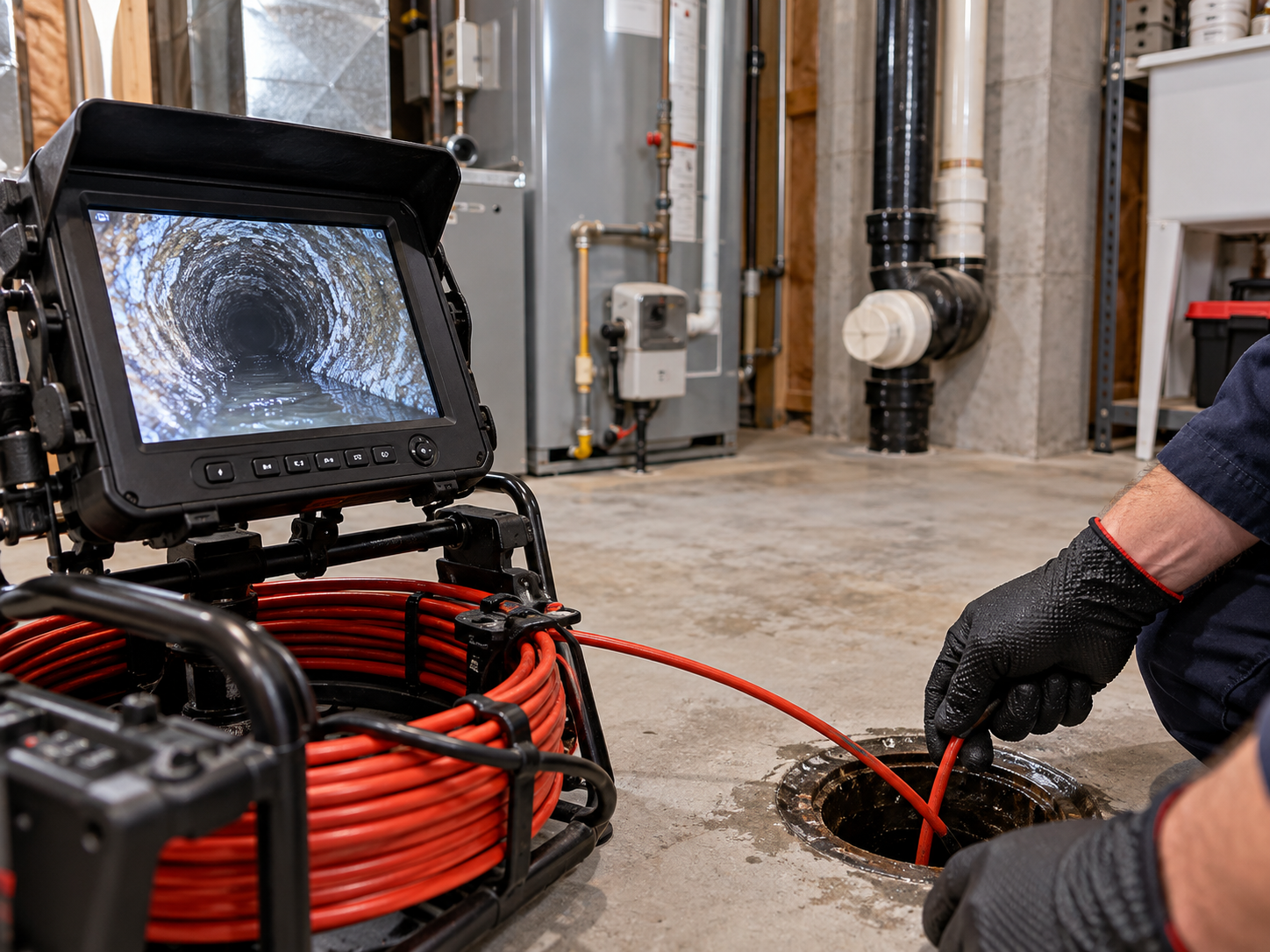
> 04When video inspection helps distinguish cleaning from a larger drain-line issue.
> 05Property-specific flood-protection questions to take to a qualified contractor.
>
The public page has one job: collect the right context. The operating system behind it makes sure a provider can take the request, or it escalates it.
Location, service need, urgency and a clear description let the request be qualified properly.
The request only goes to a participating provider that serves that area and service type.
Acceptance, contact, quote and outcome are measured so weak sources do not keep wasting leads.
The pilot is designed for the City of Toronto. It will not claim coverage in other cities until a provider has confirmed capacity and the content can be genuinely local.
View Toronto service areaSpecific pages. Real service boundaries. Clear homeowner next steps.